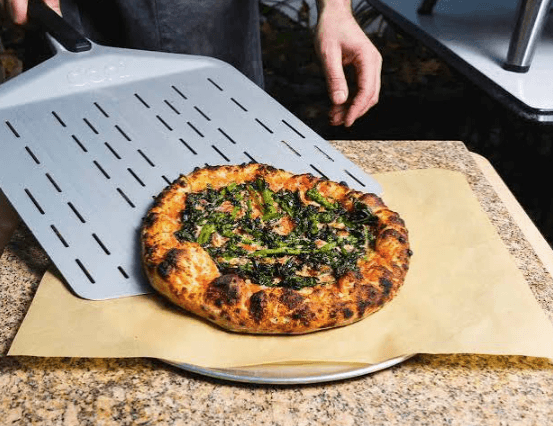
Have you ever wondered why it is so difficult to recreate restaurant-style pizza in a standard kitchen? You buy the finest flour, source premium mozzarella, and prepare a fresh, vibrant tomato sauce. Yet, when the timer dings, the crust is often pale, tough, or soggy in the middle.
The truth is, the secret to a perfect, bubbly pizza has very little to do with your culinary skills. It actually comes down to pure physics and heat.
Fortunately, you do not need to build a permanent brick structure in your yard to enjoy gourmet results. Upgrading your yard with the right outdoor cooking equipment is the ultimate shortcut to bringing the authentic taste of a traditional Italian pizzeria directly to your patio. Let us explore the key steps to mastering the art of backyard baking.
Why High Heat is Non-Negotiable
To understand how to make better pizza, you have to look at the temperature of a professional kitchen. Neapolitan pizzerias bake their pies at temperatures hovering around 900°F.
At this extreme heat, the water inside the dough vaporizes instantly. This rapid evaporation creates massive air pockets, resulting in a light, airy, and puffy crust.
Standard home kitchen ovens usually top out at 500°F. At this lower temperature, the dough bakes slowly, which dries out the interior and leaves you with a dense, cracker-like texture.
The easiest way to solve this problem is with a dedicated backyard unit. Investing in a portable gas pizza oven allows you to reach those necessary high temperatures in just fifteen minutes. Running on standard propane, these powerful machines heat up a thick cordierite stone that bakes a raw thin crust to crispy perfection in under sixty seconds.
Secrets of the Perfect Pizza Dough
While extreme heat does most of the heavy lifting, your choice of ingredients still matters. If you want a crust with a beautiful stretch and chew, you need to use the right flour.
Standard all-purpose flour works fine for bread, but it can tear easily when stretched thin. Instead, look for Italian Tipo 00 flour. This finely ground flour has a high protein content that creates a strong, elastic gluten network.
- Hydration is Key: Aim for a dough hydration level of around 60% to 65%. This ratio keeps the dough easy to handle while still providing enough moisture to create steam pockets in a hot oven.
- Cold Fermentation: Do not use your dough immediately after mixing. Let it rest in a sealed container inside your refrigerator for 24 to 72 hours. This slow rise develops complex, yeast-rich flavors that taste incredibly professional.
- Stretch, Don’t Roll: Never use a rolling pin on your dough. A rolling pin squeezes out all the precious gas bubbles. Instead, gently press and stretch the dough with your fingers, leaving a thicker rim around the edge for the crust.
Developing these simple dough habits will instantly elevate your pizzas from average backyard flatbreads to authentic, airy masterpieces.
Mastering the Art of the Launch
For many beginners, the most intimidating part of outdoor baking is transferring the raw, sauced dough from the prep board into the blazing hot oven. This process is known as “the launch.”
If the dough sticks to your paddle, it will bunch up, spilling cheese and sauce directly onto the hot baking stone. This can create a smoking mess that is difficult to clean.
To prevent sticking, make sure your dough is cool and dry. Lightly dust your wooden or metal paddle with semolina flour or coarse cornmeal. These tiny grains act like microscopic ball bearings, allowing the dough to slide around freely.
Always assemble your pizza quickly once the dough is on the paddle. If you let raw dough sit on the surface for too long, it will absorb the moisture from the sauce and stick. Give the paddle a gentle shake before launching to ensure the pie moves back and forth easily.
Frequently Asked Questions
What is the best cheese to use for high-heat baking?
Low-moisture, whole-milk mozzarella is the absolute best choice for high-heat gas ovens. Fresh mozzarella contains a large amount of water, which can melt out and make your crust soggy. If you do use fresh cheese, slice it thin and let it drain in a colander for an hour before cooking.
Why is my pizza crust burning before the toppings are cooked?
This usually happens when the air inside your oven is too hot but the baking stone has not fully heated through. Make sure to preheat your machine for at least fifteen to twenty minutes before launching your first pizza. This ensures the stone is hot enough to cook the bottom of the crust at the exact same speed as the top.
How do I stop my toppings from sliding off?
The key is to use toppings very sparingly. A true gourmet pizza relies on a thin layer of sauce, a light scattering of cheese, and a few premium ingredients. Piling on too many wet ingredients will weigh down the dough, making it soggy and difficult to launch.
Do I need to clean the baking stone after every use?
No, you do not need to wash the stone with soap and water. The extreme heat of a gas-powered unit will naturally burn away any spilled cheese or sauce. Once the oven cools down completely, simply use a dry metal scraper or stiff brush to sweep away any remaining ash.
See also: Electric Vehicles for Kids: Safety and Fun Combined
Can I use parchment paper in an outdoor pizza oven?
No, you should never use parchment paper in an outdoor pizza oven. Most parchment papers are only rated for temperatures up to 450°F. At the high temperatures of an outdoor gas unit, the paper will instantly catch fire and burn.
Conclusion
Making restaurant-quality pizza at home is an incredibly rewarding hobby. It turns a simple dinner into a fun, interactive event that your family will look forward to every week.
First, equip your yard with a dedicated gas-powered oven that can easily reach professional baking temperatures. Next, focus on high-quality ingredients like Tipo 00 flour and practice a patient, cold fermentation. Finally, master the slide-and-launch technique using a dusted wooden paddle.
With a little practice and the right backyard setup, you will quickly bypass the local takeout spot. Your patio will become the best pizzeria in town.